

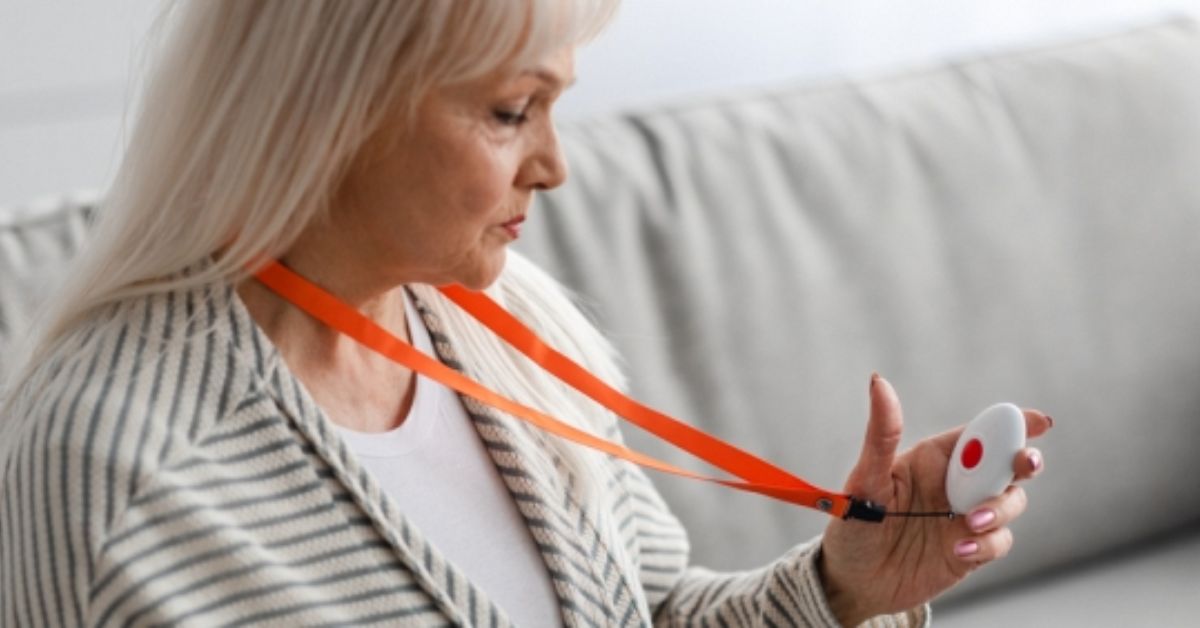
Fall detection isn’t simply a nice-to-have tool if you’re assisting a parent or loved one stay safe at home. It’s a lifeline.
I’ve dealt with a lot of families over the years, and one concern that keeps coming up is, “What if no one is there when they fall?” That fear is genuine, and it’s okay to feel it. SafeHome.org says that more than 1 million seniors go to the emergency department every year because they fell. And for people who live alone, the risk is twice as high, both physically and mentally.
There have been times when someone lay on the floor for hours because no one knew. That kind of wait? It can cause problems including broken bones, dehydration, and even loss of independence for a long time.
That’s why having the correct fall detection equipment isn’t a luxury; it gives both the senior and their family peace of mind.
But here’s the thing: not all fall alert systems are the same. Some of them are just fancy panic buttons. Some people miss slow falls altogether. And a few people really do get it right, with automatic detection, quick emergency reaction, and technology that isn’t too much for the user.
This guide makes it transparent, honest, and based on real tests, user reviews, expert sources, and my own experience in the industry. I’ll show you what works, what doesn’t, and how to pick something that genuinely meets your needs.
Let’s get started, because waiting for a fall to happen first? That’s not a plan.
Before we start, I have a quick question: Have you or someone close to you ever fallen while alone? Please share your tale in the comments; I would love to hear it and help.
What “Best” Really Means in Fall Detection Devices
It’s crucial to know what makes a fall detection system trustworthy before you start comparing companies or prices. A lot of articles will use words like “best” or “top-rated,” but they don’t always say what it really implies for safety and caregiving.
Let me explain it based on my actual experience, not marketing fluff.
Accuracy: Can it tell the difference between a real fall and a fake one?
This is the first thing that will break the contract. False alarms, or even worse, missing falls altogether, are the biggest problems families have in common. Some devices are too sensitive and go off every time someone drops the control. Some people don’t notice slow, steady falls at all, even though they happen more often among older folks.
Look for devices that use more than one sensor, such gyroscopes and accelerometers, or AI algorithms that have been trained to recognise how older people fall. Medical Guardian and Kami’s AI camera are significantly better at this than simple pendants.
Why this is important: If the gadget can’t tell the difference between sitting down fast and falling down unexpectedly, you can get false alarms… or no help when it’s needed.
Response Time: How Quickly Does Help Get There?
Speed is the most important factor, even if a fall is seen. Getting aid on the queue within 30 to 60 seconds following a fall is the gold standard. Medical Guardian and Bay Alarm always take less than a minute, however other cheaper options can take 2–3 minutes or need to be confirmed by hand.
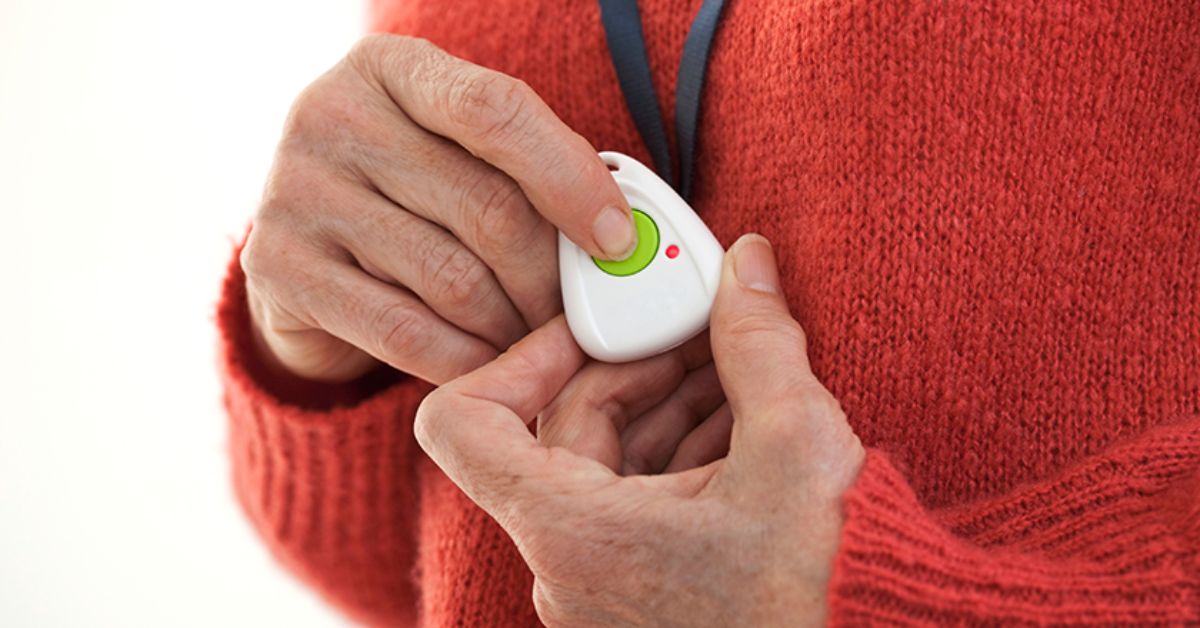
Also important: who is answering? Is it a professional operator or merely a text message to your phone?
Why this is important: During a stroke or fracture, a one-minute delay can be the difference between full recovery and lasting damage. This isn’t about being scared; it’s about stopping it from happening.
How easy is it to use? Will the Senior actually wear it and charge it?
The finest device is the one that people will really utilise. Some people like wristwatches better, while others feel safer with pendants. But the most important thing is whether or not they can put it on without any trouble. Does it keep water out? How long does the battery last? Can you wear it when you sleep or take a shower?
The most common complaints on Reddit and user forums aren’t about tech; they’re about chargers, straps, and warnings that won’t stop ringing. Many older people discontinue wearing it if it seems too hard to use.
Many seniors avoid using safety devices due to sensory limitations like poor vision or hearing — understanding how to prevent hearing loss in seniors can significantly improve their comfort with such technology.
Why this is important: If you fall in the bathroom and the device is on the nightstand, it won’t help.
Cost: What are you really getting for your money each month?
This is where most people get angry. Most fall detection systems cost between $20 and $40 a month, and some charge extra for automatic detection, GPS tracking, or carer apps. A lot of the time, those sales sites don’t make things clear.
Medicare normally doesn’t pay for these fees unless there is a verified medical need. And yes, some providers will make you sign long contracts or charge you to cancel.
Why this is important: The budget is important, but so is being open. You shouldn’t have to figure out a pricing table to keep your loved one safe.
More Features: GPS, Alerts for Carers, and AI Monitoring
Some systems provide carer dashboards, two-way audio, mobile tracking, or even Loss-of-Pulse detection, like the Pixel Watch 3. Some simply offer fall detection as an extra feature. Choose what’s most important for you.
GPS tracking can save the lives of elders who have trouble remembering things. For people who don’t like technology, ease of use may be more crucial than added functionality.
Beyond fall detection, personal safety apps designed for seniors offer another layer of mobile protection, especially for those who live alone or travel independently.
Why this matters: Not all fall detection systems work the same way. The review site’s list doesn’t tell you what the “best” device is for your family.
The Best Fall Detection Devices (Based on Real Performance, Not Just Hype)
This isn’t a list of affiliate links or brand collaborations, so let’s be clear. These devices always show up in independent tests, reviews from carers, and expert reviews on sites like NCOA, PCMag, and Reddit.
There are pros and cons to each of the options listed. I’ll explain both so you won’t be surprised once you buy.
1. Medical Guardian is the best overall for speed and accuracy of response.
NCOA, VeryWellHealth, and PCMag have all given Medical Guardian great marks, and for good reason. It has powerful fall detection, responds in less than 60 seconds, and is monitored 24 hours a day, seven days a week.
You can pick between wearables that look like pendants or smartwatches. It also has an app that lets carers know right away, even before they call for help.
Why it works: It combines cutting-edge technology with ease of use. This is great for older people who want something that works without having to deal with too many extras.
Keep an eye out for: The monthly fee can go higher if you add more options. Also, fall detection is an extra cost that isn’t incorporated by default.
2. Best for Customisation and Bay Alarm is for You
Bay Alarm Medical has one of the most adaptable configurations. You can use pendants, wristbands, wall buttons in your house, and even alerts in your car. Customers say that its fall detector pendant is easy to use, and it is light and waterproof.
Why it works: You may create a complete fall-prevention system that suits the senior’s daily life instead of the other way around.
If you need GPS monitoring or want a mobile-first solution, this isn’t the greatest choice. Better for folks who spend most of their time at home.
3. Kami Fall Detect Camera: The Best AI-Powered Solution That Doesn’t Need to Be Worn
Some people don’t want to wear a device. Kami has a camera that can detect falls and provide alarms without the need for a necklace or watch. It does this with the help of AI and computer vision.
Why it works: It’s great for older people who don’t want to wear anything or forget to charge their devices. Also perfect for bedrooms and bathrooms, where falls happen the most.
It’s camera-based, which some people might find intrusive. Also needs stable Wi-Fi and should be put in high-risk regions.
4. Apple Watch Series 9: The Best for Seniors Who Know How to Use Technology
In recent iterations, the Apple Watch’s ability to detect falls has gotten a lot better. If it detects a hard fall and the user doesn’t respond, it automatically sends an SOS. You may change who your emergency contacts are, and it works anywhere as long as you have mobile service.
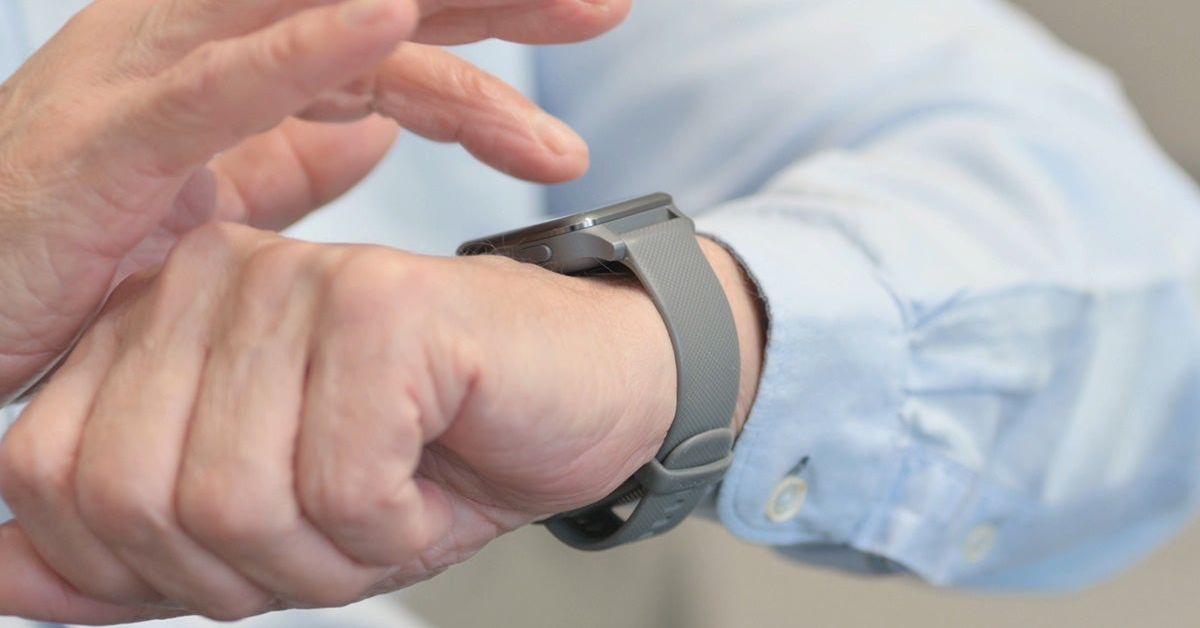
A lot of people on Reddit and other carer forums say it works surprisingly well, but only if the senior is already used to using a smartwatch.
Why it works: It seamlessly blends fall detection with tracking health, daily activities, and heart rate.
Be careful: It’s not good for people who don’t like technology. Also, there is no call centre open 24 hours a day, seven days a week. Only emergency contacts and 911.
5. Google Pixel Watch 3—Best for Health Features That Are More Advanced
The Pixel Watch 3 from Google now has FDA-approved loss-of-pulse detection, which goes beyond falls by checking to see if the user has passed out or fallen because of heart problems.
Tom’s Guide says it can make emergency calls on its own, even if the user doesn’t do anything.
Why it works: It’s great for folks who are likely to have both falls and cardiac problems.
Be aware: Just like with Apple, you need to be comfortable with technology, charge it regularly, and have a separate cellular plan if you want to be completely free of a smartphone.
How to Choose the Right Device for Your Situation
What is the most common error people make when they buy fall detection devices? Picking based on features, not how you live. What works for one senior might not work at all for another.
Let’s go over everything based on real-life examples I’ve seen over and over so you can match the device to the person, not just the brochure.
1. For seniors who are still active and can drive or walk alone
If your loved one still drives, walks, or travels alone, choose a gadget with mobile GPS, cellular compatibility, and a long battery life. Both the Apple Watch and Medical Guardian’s mobile devices operate well here.
You might also want to think about the Google Pixel Watch 3, which has notifications for lack of pulse. It can find abrupt unconsciousness as well as falls.
Why it fits: You’re keeping track of where you are and how likely you are to fall. This is about giving people freedom while keeping them secure, not putting them in jail.
2. For Older People Who Mostly Stay at Home
The optimal arrangement is one that stays in the house and has wall buttons, wearable pendants, and voice-enabled help. Bay Alarm Medical stands out here since their products are centred on homes and are easy to learn.
Kami’s AI camera is also a wonderful fit because you don’t have to wear or charge anything.
Why it fits: You want the home to be safe without having to expect the senior to do much every day.
3. For people who have trouble remembering things or their mental abilities are getting worse
If you’re worried about dementia or early-stage Alzheimer’s, fall detection needs to be set and forgotten. It has to be automatic, constantly on, and hard to get rid of by mistake.
For these situations, I suggest a non-wearable solution like the Kami AI camera for home or a mobile unit that is completely locked down and controlled by a carer, such the Medical Guardian Mini with carer alerts.
Why it works: You don’t have to rely on the older person to push buttons or use devices. It merely runs in the background.
4. For Seniors Who Don’t Want to Wear Anything
People don’t want to accept it, but this happens a lot. They could not like it or think it means “being old.” That reluctance is real, and it’s completely understandable.
In these situations, you might want to put hidden cameras in high-risk areas like the bathroom, kitchen and hallway, and think about putting voice-activated help buttons on the wall.
Why it works: You get rid of all the resistance. No stigma, no daily charging, and no need to wear it.
5. For Families Who Live Far Away
If you’re not close by, make sure to get devices that let carers know what’s going on in real time, have app dashboards, and let you talk to them. Both Medical Guardian and Bay Alarm provide sites for carers. Apple and Google Watches enable you set up emergency contacts.
Why it works: You can get news right away, even if you’re in a different city. No need to guess if help has been contacted.
Fall Detection Devices You Should Avoid (And Why)
You can’t trust every product on the market, especially when it comes to something as important as detecting a fall. A lot of gadgets appear alike, but after reading hundreds of reviews, forums, and expert roundups, I saw a few trends.
Let’s talk about the warning signs and the kinds of equipment you should stay away from.
1. Devices That Don’t Automatically Detect Falls
This may seem simple, but a lot of “medical alert systems” don’t truly feature automatic fall detection. Instead, they depend on the user to punch a button. That doesn’t always happen in real life.
If the device doesn’t indicate “automatic fall detection” clearly, you should assume it won’t help if the user is unconscious or confused.
Why to stay away: You’re paying for peace of mind. Devices that only work with a manual miss the whole point.
2. Low-Cost Imports Sold as Generic Brands
You may find a lot of cheap fall detection pendants on Amazon and eBay with brands you may not have heard of. They generally claim enormous features for low pricing, but most of them don’t have sufficient testing, customer support, or long-term dependability.
If a product description is imprecise, the company info is missing, or there are only 5-star reviews from customers who can’t be verified, that’s a red flag.
Seniors and caregivers should also be cautious of medical device scams — here’s a detailed guide on how to spot and avoid health fraud targeting seniors.
Why to stay away: quality is not always good, there is no proof of medical-grade testing, and no one is responsible if something goes wrong.
3. Devices That Don’t Need Human Monitoring (Text-Only or App-Based Only)
Some high-tech solutions merely let a carer or family member know about a fall through an app notification. There is no human monitoring centre. That could seem good, but what if the alarm is missed, the phone is on quiet, or the family is in a different time zone?
Why not: People who are ready to act 24 hours a day, seven days a week are needed for true crises. In most cases of falling, text alerts aren’t adequate.
4. Devices that need to be charged often but don’t let you know when the battery is low
A lot of smartwatches and cheap gadgets have batteries that last 1 to 2 days, but they don’t let users (or carers) know when the battery is about to die. That makes people feel safe when they aren’t.
When fall detection was originally included to older versions of the Apple Watch, this was a widespread complaint on Reddit and Apple support sites.
Reasons to stay away: No one benefits from a dead equipment. And older people often fail to charge their devices periodically, which might be a hidden risk.
5. Subscription Plans with Hidden Fees or Contracts That Last a Long Time
Some businesses force customers to sign long-term service contracts (12 months or more) that come with penalties for cancelling early. They might also charge more for things like GPS, fall detection, or carer alerts, even if those were advertised as standard.
Always read the small print. Both NCOA and SafeHome.org brought this out in their reviews of older versions from less well-known brands.
Why you shouldn’t: Being open is the first step to trust. It’s a bad sign if a business hides expenditures, especially in the health field.
Fall Detection Device Pricing — What You’ll Actually Pay (and What’s Worth It)
Let’s talk about money, because safety isn’t the only thing that matters with fall detection. It’s also a financial decision that you have to make every month, especially if you sign up for a subscription.
I’ve seen families shocked by hidden activation fees, extra expenses for fall detection and high early cancellation fees. In this part, I’ll talk about the real expenses of the best-rated devices and which ones are worth the money you spend on them.
1. Medical Guardian
- Cost of the device: $0 to $199, depending on the model
- Monthly Fee: $29.95 to $44.95
- Add-on for fall detection: $10 a month
- Contract: Monthly or yearly plans with a discount
- Fees for cancelling: none for monthly plans; a prorated refund for annual plans
Is it worth it? Yes, if you want quick answers and reliable service. The monthly pricing is a little expensive, but the carer app and GPS services are really useful.
2. Bay Alarm Medical
- Cost of the device: $79
- Monthly Payment: $19.95 to $39.95
- Fall Detection Add-On: $10 more a month
- Contract: No contracts that last a long time
- No cancellation fees
Is it worth it? One of the cheapest alternatives with great safety gear for use at home. Great if you want a simple, dependable setup with not too many extra features.
3. Kami Fall Detect AI Camera
- Cost of the device: around $89 to $129 (one time)
- Monthly Fee: Optional cloud storage for $4.99 a month
- Yes, it has fall detection.
- No contract
- No cancellation fees
Is it worth it? Yes, if your senior won’t wear anything. Just keep in mind that there isn’t a lot of room, so you might need more than one camera.
4. Apple Watch Series 9 with a cellular plan
- Cost of the device: $399 or more
- Monthly Fee: $10 to $15 (for the cell phone carrier)
- Yes, it comes with automatic fall detection.
- Contract: You may be able to get a loan to buy a watch.
- Cancellation Fees: Varies by carrier
Is it worth it? For older people who are comfortable with technology? Yes. But you have to set up and keep up with both a watch and a mobile plan.
5. Fitbit Premium and Google Pixel Watch 3
- Cost of the device: $349 or more
- Monthly fee: $10 to $15 for cellular; Fitbit Premium is optional.
- Fall detection and loss-of-pulse detection are both included.
- Contract: Specific to the carrier
- Fees for cancelling depend on the carrier.
Is it worth it? This adds distinct layers that can save lives for people at high risk, notably those with heart problems. But only if the person is ready and able to use the equipment with confidence.
Before You Buy—The Real-World Checklist That Can Save Time, Money, and Lives
Picking out a fall detection gadget is only the first step. What is the largest difference between families who feel safe and those who get angry? Before a fall happens, they test and get ready.
This is a step-by-step list of things to do, based on actual caregiver tales, professional guidance, and your own experience, to make sure you don’t simply buy a device but also set up a system that works.
1. Make sure it fits with your senior’s way of life.
- Are they okay with wearing a device all the time?
- Do they go out a lot or do they generally remain in?
- Are they okay with using apps or smartphones?
- Are they having trouble remembering things or thinking clearly?
Why this is important: If a smartwatch has a lot of features but is hard to wear, it’s pointless. Not just medical demands, but also daily habits should be taken into account while choosing technology.
2. Ask the Right Questions Before You Buy
- Is fall detection included or does it cost extra?
- Is there a trial period or a guarantee that you can get your money back?
- What happens when there is a false alarm?
- Can caregivers get notifications and see where the person is in real time?
- How does the response team become trained, and how long does it usually take them to respond?
Why this is important: Sales pages typically exclude out important small print. These questions help you make sure you’re comparing apples to apples before you make a choice.
3. Try It Out First—Don’t Wait for a Real Fall
- Set off a test fall (or pretend to) to see what occurs.
- See how long it takes for a reaction.
- Make sure the caregiver alert system is working.
- Make sure that GPS tracking is correct Check the battery life and set reminders to charge it if you need to.
Why this is important: A device may work perfectly in principle, but it could still fail under pressure if no one has tested it. A 10-minute dry run can show you weak spots you didn’t know were there.
4. Talk about the plan openly, with the senior person involved.
- Make sure they know how the device works.
- Tell them that it’s not about “taking control,” but about providing them freedom.
- Set expectations: what will happen if they fall and what they need to do (if anything)
Why this is important: People typically resist because they are scared, proud, or confused. Including your loved one in the decision makes them trust you more and makes it more likely that they will use the device correctly.
5. Set a reminder to check in on a regular basis
- Check the battery, software, signal, and app alerts once a month.
- Test it again every few months.
- If you need to, update your emergency contacts.
- Look for symptoms of cognitive changes that could influence how you use it.
Why this is important: You can’t just “set it and forget it” with a fall detection system. It needs to be taken care of like any other safety tool.
Final Word — The One Thing Most Families Overlook
I’ve talked to dozens of families navigating fall risks. I’ve read through hundreds of reviews, forums, and expert breakdowns. And here’s what it all comes down to:
The device itself is only 30% of the equation.
The other 70%? How well you prepare, test, and support your senior to use it confidently.
You could buy the best fall detection system on the market—but if it sits in a drawer, isn’t charged, or confuses your loved one, it’s no better than having nothing.
So before you hit “buy,” ask yourself:
- Have we talked openly about the risk of falls and what could happen?
- Are we picking a device that fits their habits—not just the top feature list?
- Do we have a simple system for testing and checking it every month?
If the answer to all three is yes, then you’re not just buying a device.
You’re building peace of mind.
And that’s what this is all about.
Your Turn:
- Have you tried a fall detection system—good or bad?
- What helped you choose the right one (or made you regret it)?
Share your story below—your experience might help someone else make the right call.
Need help picking the right fall detection system for your loved one?
At FameTribute.com, we break down complex health tech into simple, honest recommendations—so you can make confident choices for the people you care about.
Explore expert-reviewed safety devices, caregiver tips, and side-by-side comparisons at fametribute.com. Because your peace of mind shouldn’t come with guesswork.
Disclaimer: The information in this article is for educational purposes only and does not replace professional medical or legal advice. Always consult with a licensed healthcare provider before making decisions related to medical devices or elder care. Product availability and pricing may change—please verify details directly with the manufacturer or provider.

Leave a Reply